Sound waves are a fundamental part of our daily lives, from the simplest whisper to the most complex musical composition. They are a type of energy that travels through the air, or any other medium, in the form of pressure waves. Sound waves have several key properties that define their behavior and characteristics, including frequency, wavelength, amplitude, and speed. Understanding these properties is essential for a wide range of applications, from music and acoustics to medicine and engineering.
The study of sound waves is a crucial aspect of physics and engineering, and is used in various fields such as audio engineering, architecture, and even medical imaging. The properties of sound waves can be affected by various factors, including the medium through which they travel, the temperature, and the presence of obstacles or barriers. By understanding how sound waves behave and interact with their environment, we can design and optimize systems that utilize sound waves, such as speakers, microphones, and musical instruments.
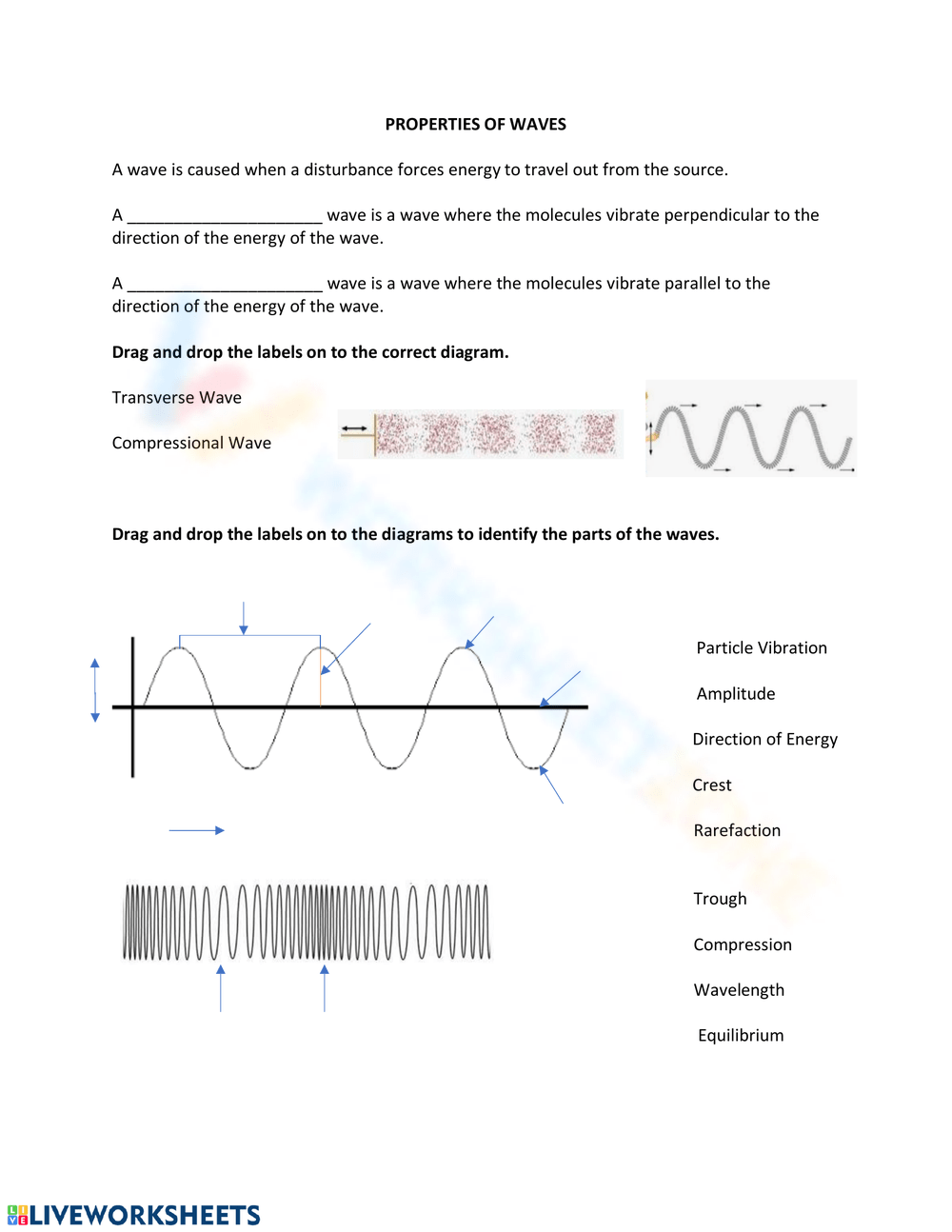
Printable 7th Grade Waves Worksheets
Understanding Sound Waves
Understanding sound waves is the first step in exploring their properties and behavior. Sound waves are created by the vibration of an object, which disturbs the air particles around it, causing them to oscillate back and forth. This oscillation creates a series of pressure waves that travel through the air, carrying the energy of the sound wave with them. The frequency of a sound wave determines its pitch, while the amplitude determines its loudness. By understanding these basic principles, we can begin to explore the more complex properties of sound waves and their applications.
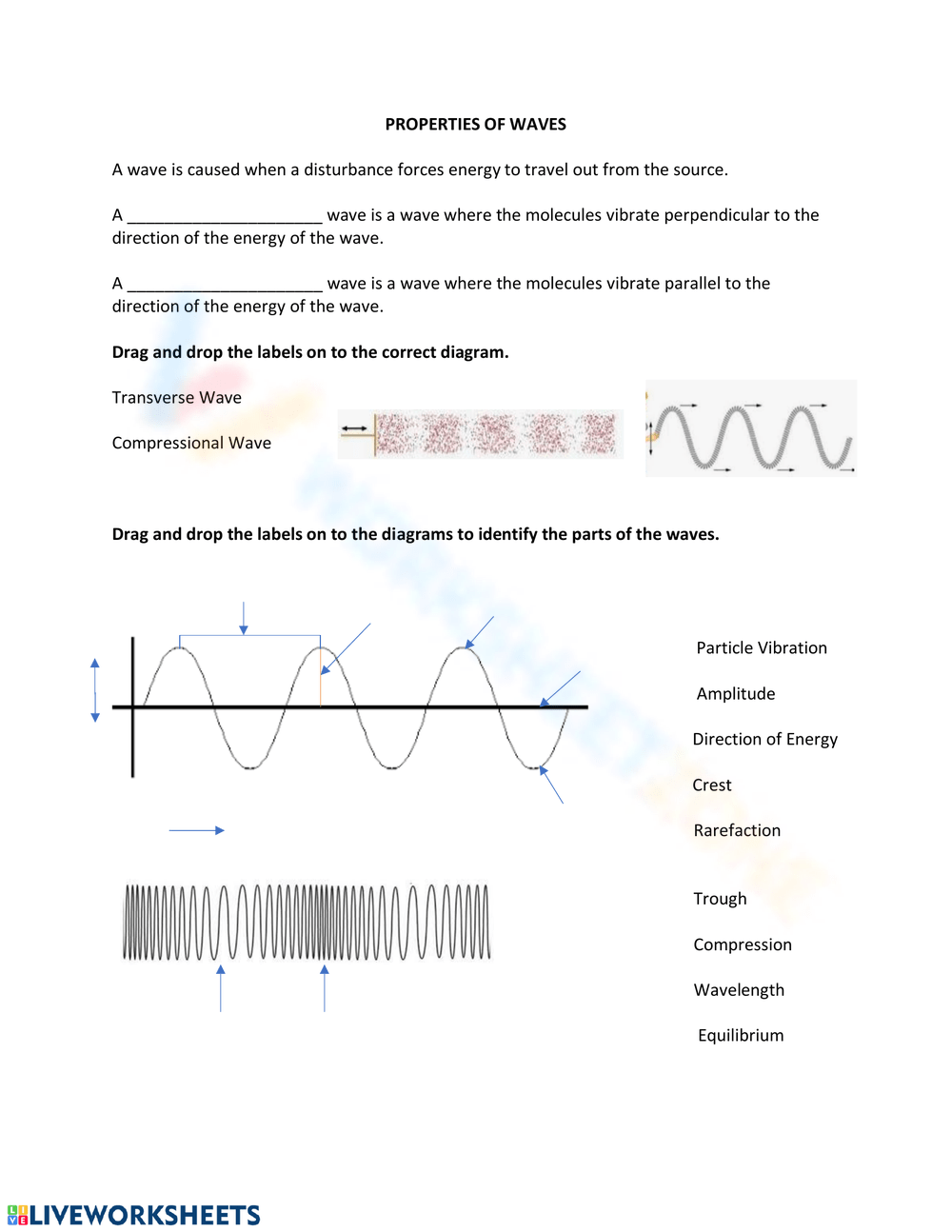
Printable 7th Grade Waves Worksheets
Properties of Sound Waves
The properties of sound waves are what make them so useful and versatile. The speed of sound, for example, is approximately 343 meters per second in air at room temperature, and is affected by the density and temperature of the medium. The frequency range of human hearing is typically between 20 Hz and 20,000 Hz, although this can vary from person to person. By understanding the properties of sound waves, we can design systems that take advantage of these characteristics, such as soundproofing materials and acoustic instruments.
Applications of Sound Waves
The applications of sound waves are incredibly diverse, ranging from the obvious, such as music and audio engineering, to the more obscure, such as medical imaging and non-destructive testing. Sound waves can be used to create images of internal structures, such as organs and tissues, or to detect defects in materials and structures. They can also be used to create powerful cleaning tools, such as ultrasonic cleaners, or to develop new medical treatments, such as lithotripsy. By understanding the properties and behavior of sound waves, we can unlock new and innovative applications that take advantage of their unique characteristics.
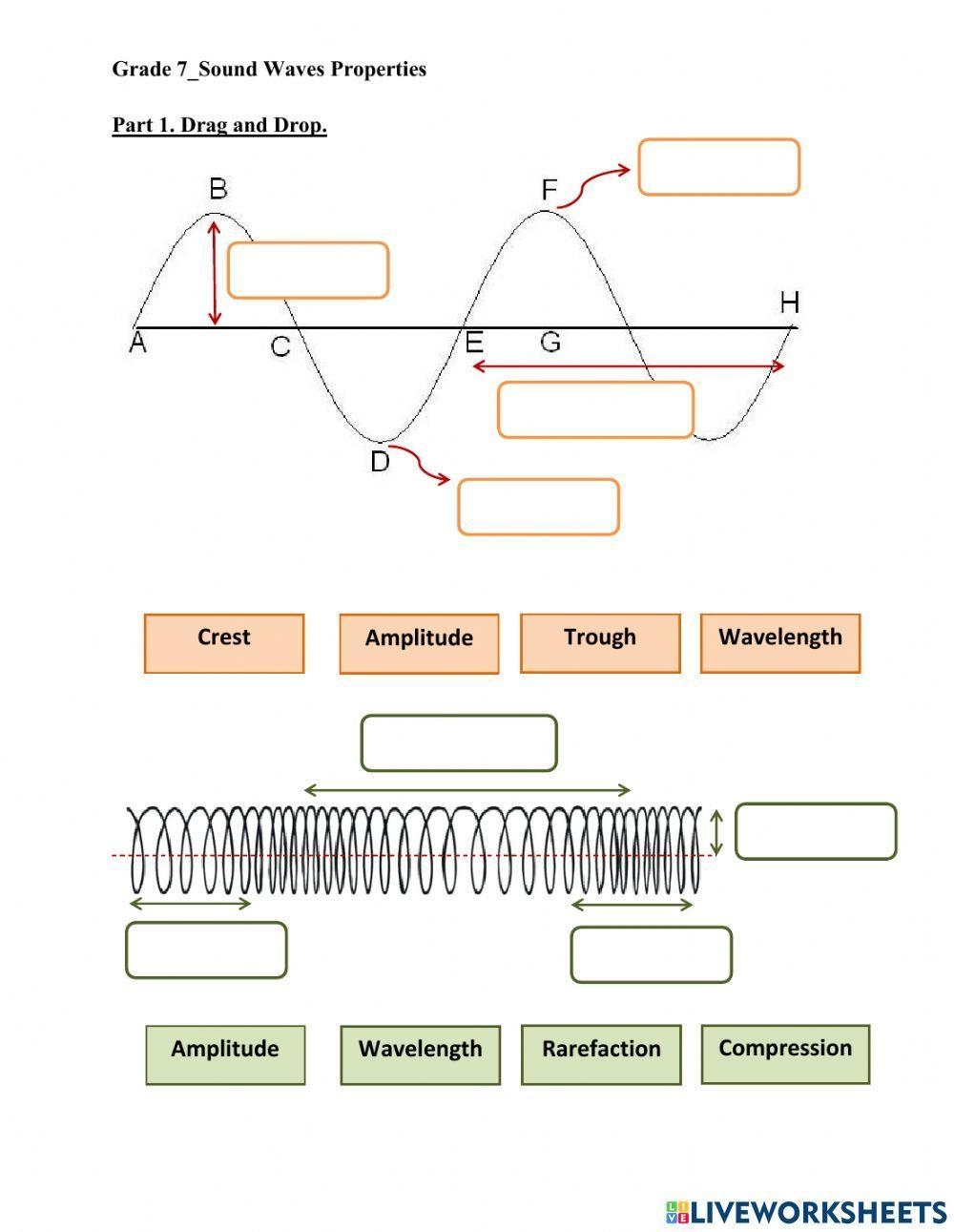
Properties Of Sound Waves Activity Worksheets Library
In conclusion, the properties of sound waves are a fascinating and complex topic, with a wide range of applications and uses. By understanding the basics of sound waves, including their frequency, wavelength, amplitude, and speed, we can begin to explore their more complex properties and behavior. With the help of a Properties Of Sound Waves Printable Worksheet, students and educators can delve deeper into the world of sound waves and discover new and innovative ways to apply their knowledge and skills.
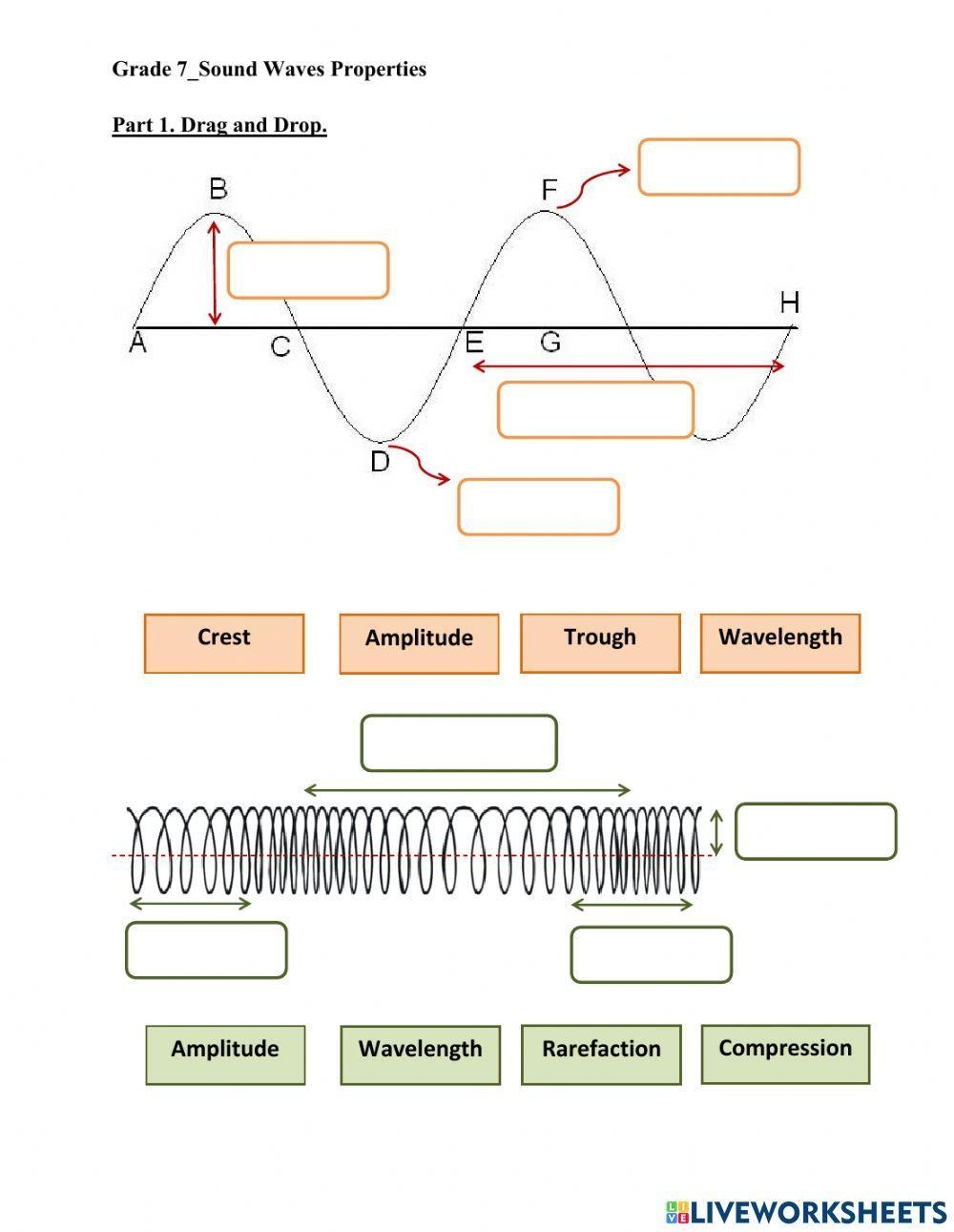
Properties Of Sound Waves Activity Worksheets Library
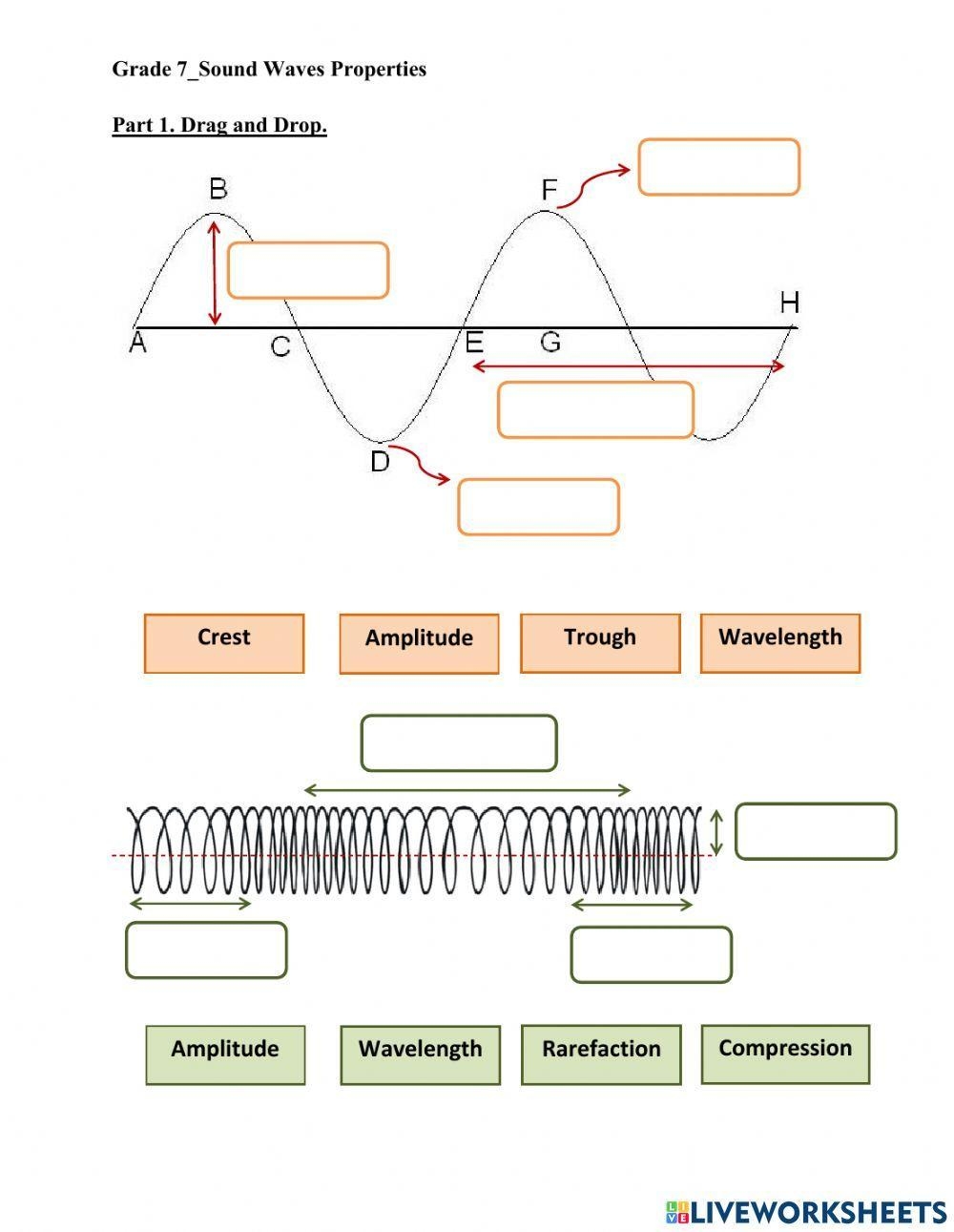
Properties Of Sound Waves Activity Worksheets Library