Self-advocacy is a crucial life skill that enables individuals to express their needs, wants, and feelings effectively. In kindergarten, teaching self-advocacy is essential as it helps children develop confidence, independence, and social skills. By introducing self-advocacy concepts at a young age, children can learn to navigate various social situations, build strong relationships, and become more resilient.
Kindergarten is a critical period for children to learn and develop new skills, including self-advocacy. At this stage, children are beginning to assert their independence, explore their surroundings, and interact with peers and teachers. By incorporating self-advocacy into their daily routines, kindergarten teachers and parents can help children develop a strong foundation for future success. Self-advocacy skills can be taught through various activities, including role-playing, storytelling, and printable worksheets.
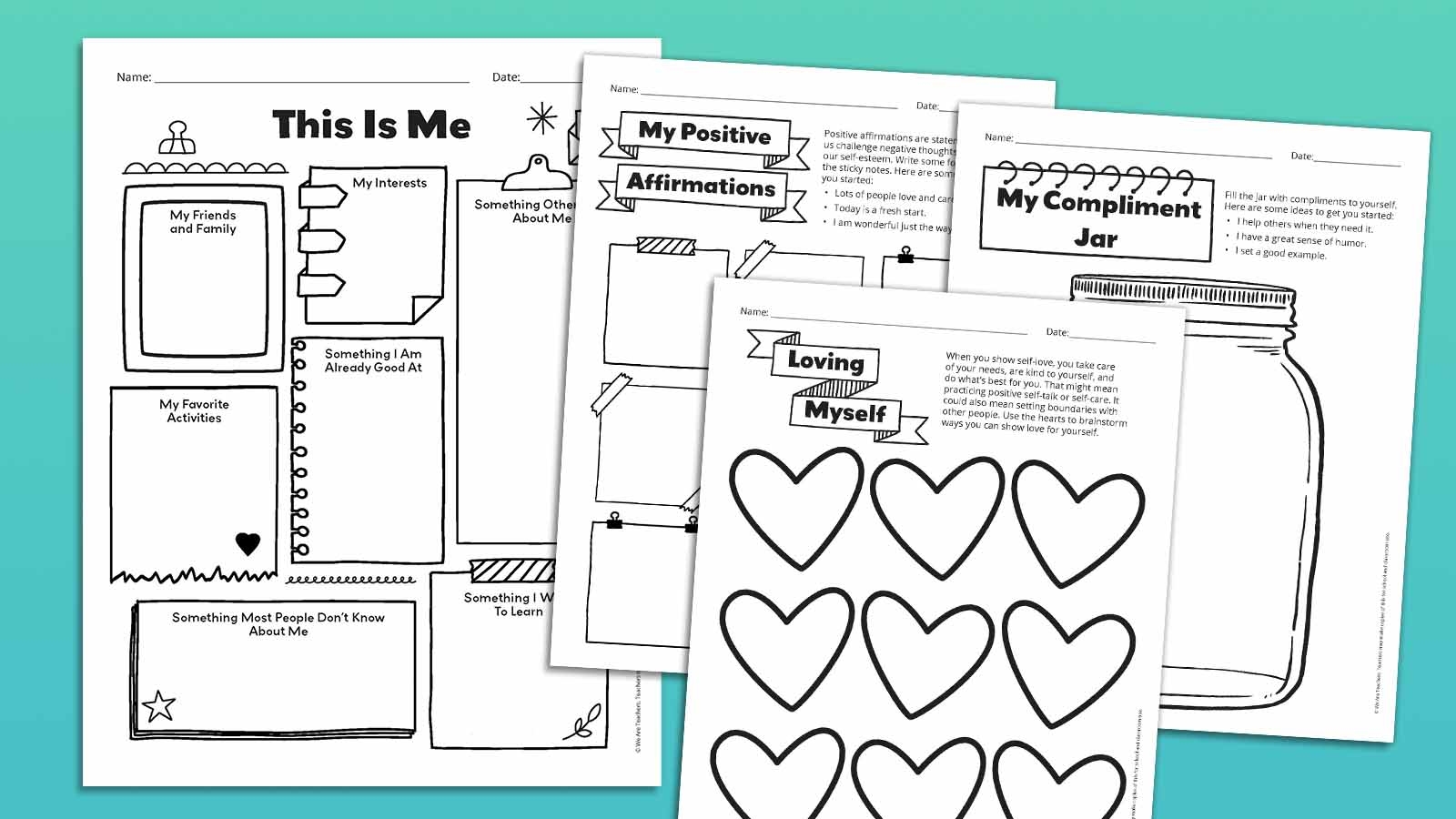
Get Our Free Bundle Of Self Esteem Worksheets
Introduction to Self Advocacy
Introducing self-advocacy concepts to kindergarten children can be a fun and engaging experience. By using simple and relatable examples, teachers and parents can help children understand the importance of expressing their needs and wants. For instance, a child can learn to say ‘I need help’ or ‘I want a turn’ instead of throwing a tantrum or becoming aggressive. This not only helps the child but also teaches them to respect others’ boundaries and feelings.
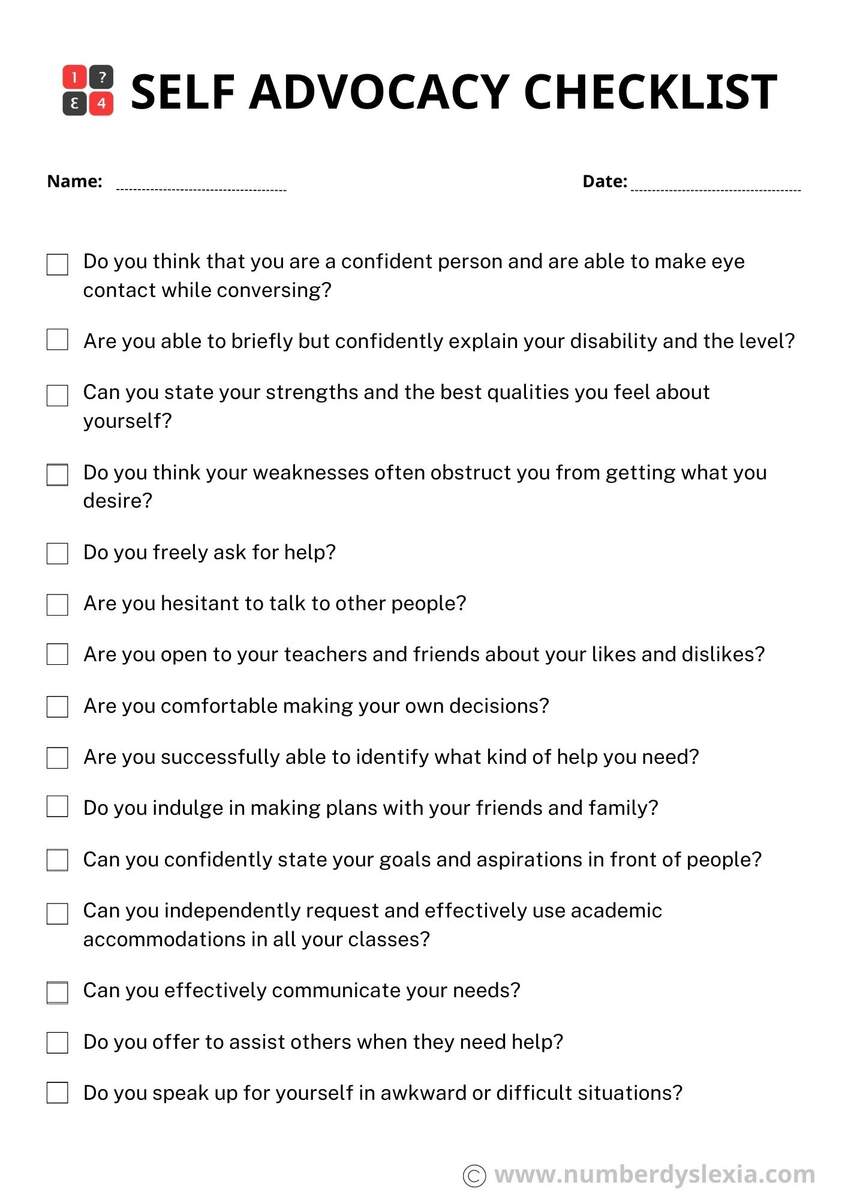
Self Advocacy Checklist PDF Included Number Dyslexia
Benefits of Self Advocacy in Kindergarten
The benefits of self-advocacy in kindergarten are numerous. By teaching children to express themselves effectively, teachers and parents can help reduce conflicts, improve social skills, and boost confidence. Self-advocacy also helps children develop problem-solving skills, learn to set boundaries, and become more independent. Moreover, self-advocacy skills can be transferred to other areas of life, such as academics, sports, and personal relationships, making it an essential life skill for children to learn.
Using Printable Worksheets for Self Advocacy
Using printable worksheets is an excellent way to teach self-advocacy skills to kindergarten children. These worksheets can be designed to include fun and interactive activities, such as matching games, puzzles, and coloring pages, that help children learn to express their needs and wants. For example, a worksheet can include pictures of different emotions, and children can be asked to identify how they feel in various situations. This can help children develop emotional awareness and learn to express their feelings in a healthy and constructive way.
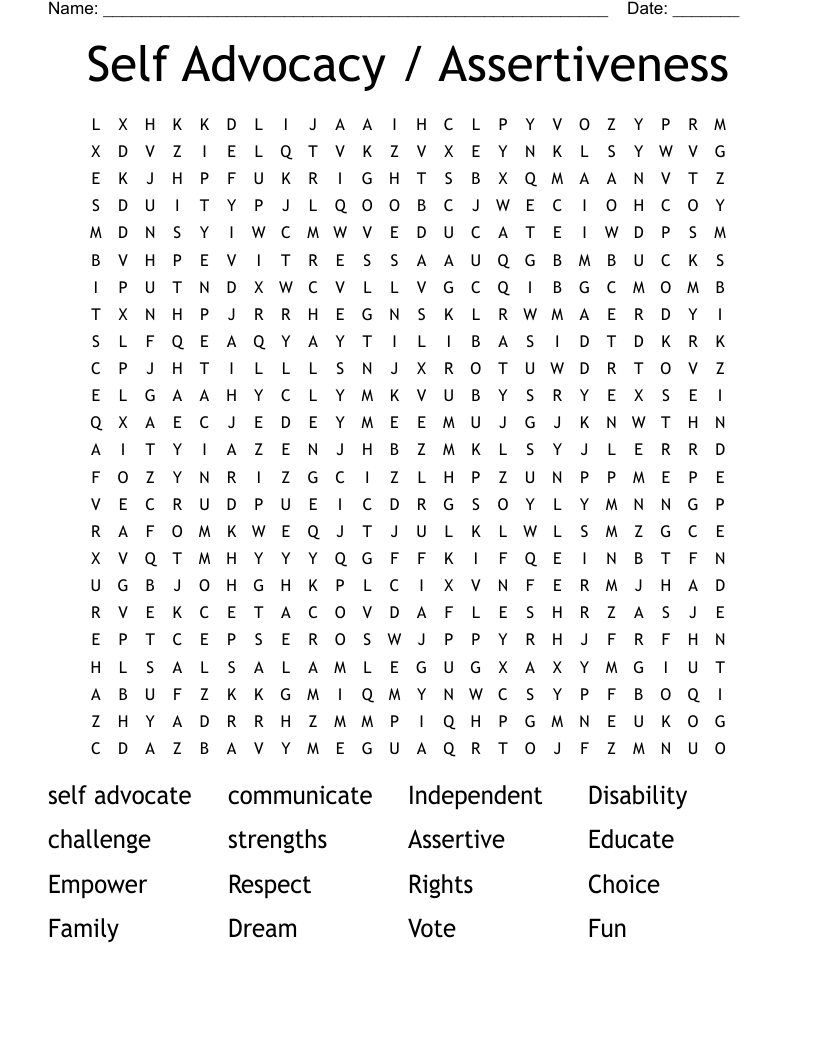
Self Advocacy Assertiveness Word Search WordMint
In conclusion, self-advocacy is a vital life skill that should be taught to kindergarten children. By using printable worksheets and incorporating self-advocacy concepts into daily routines, teachers and parents can help children develop essential skills, such as confidence, independence, and social skills. By empowering young minds with self-advocacy skills, we can help them become more resilient, confident, and successful individuals in the long run.
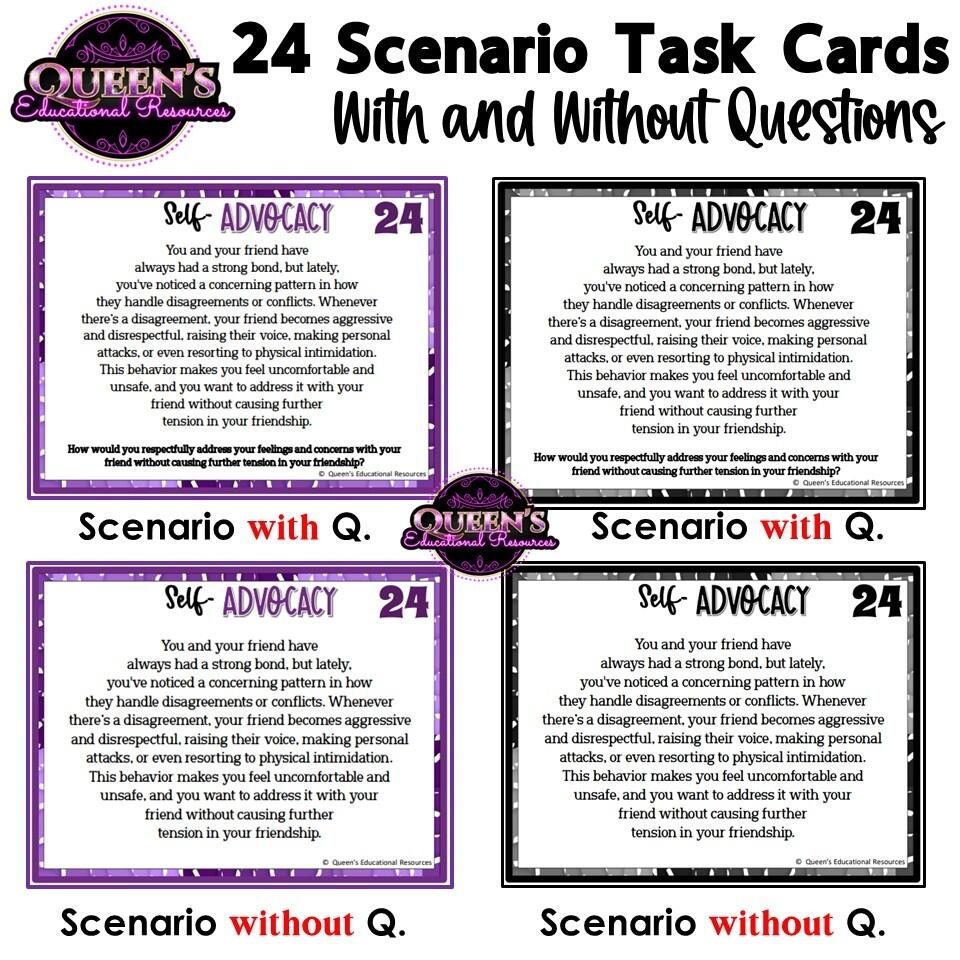
Self Advocacy Scenarios Self Advocacy Worksheets Situation Cards Communication Skills Classful
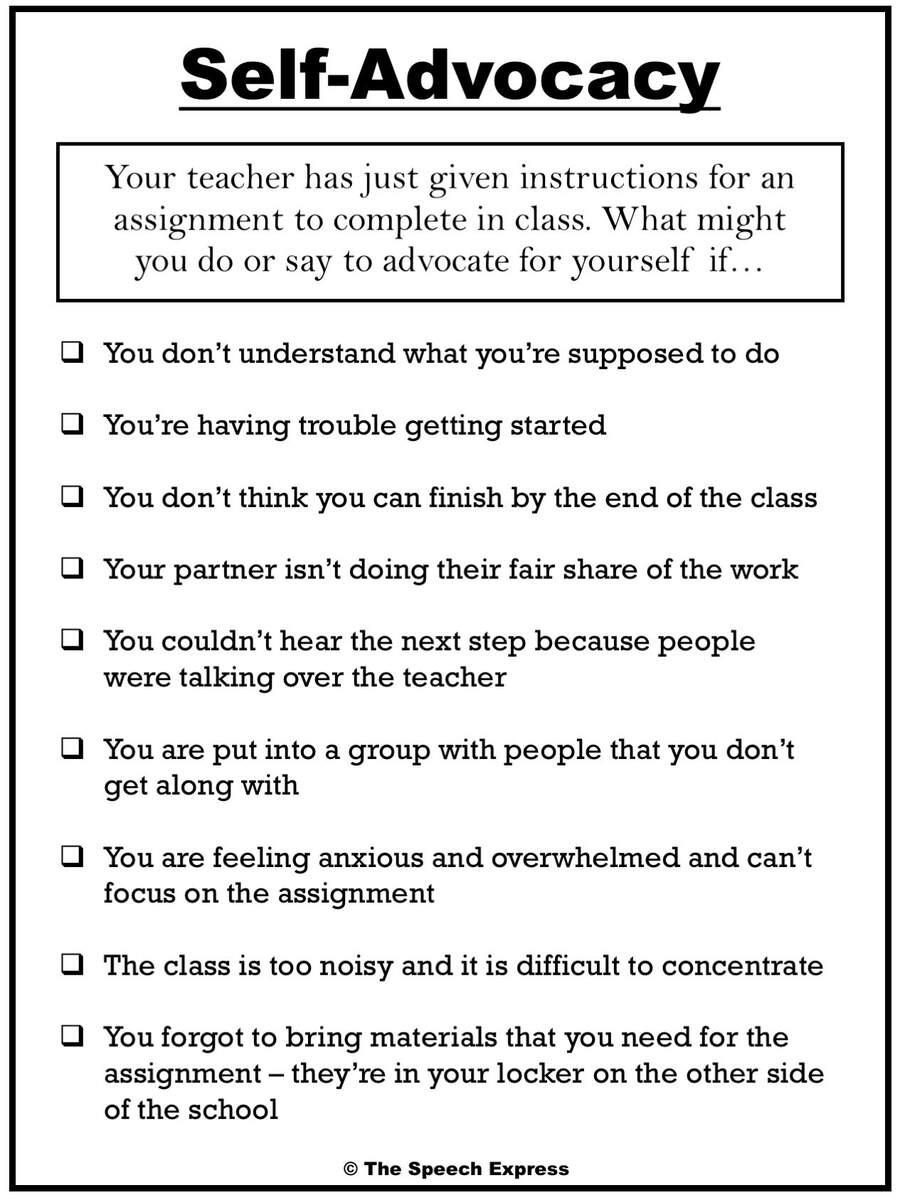
Free Printable Self Advocacy Skills Worksheets Worksheets Library